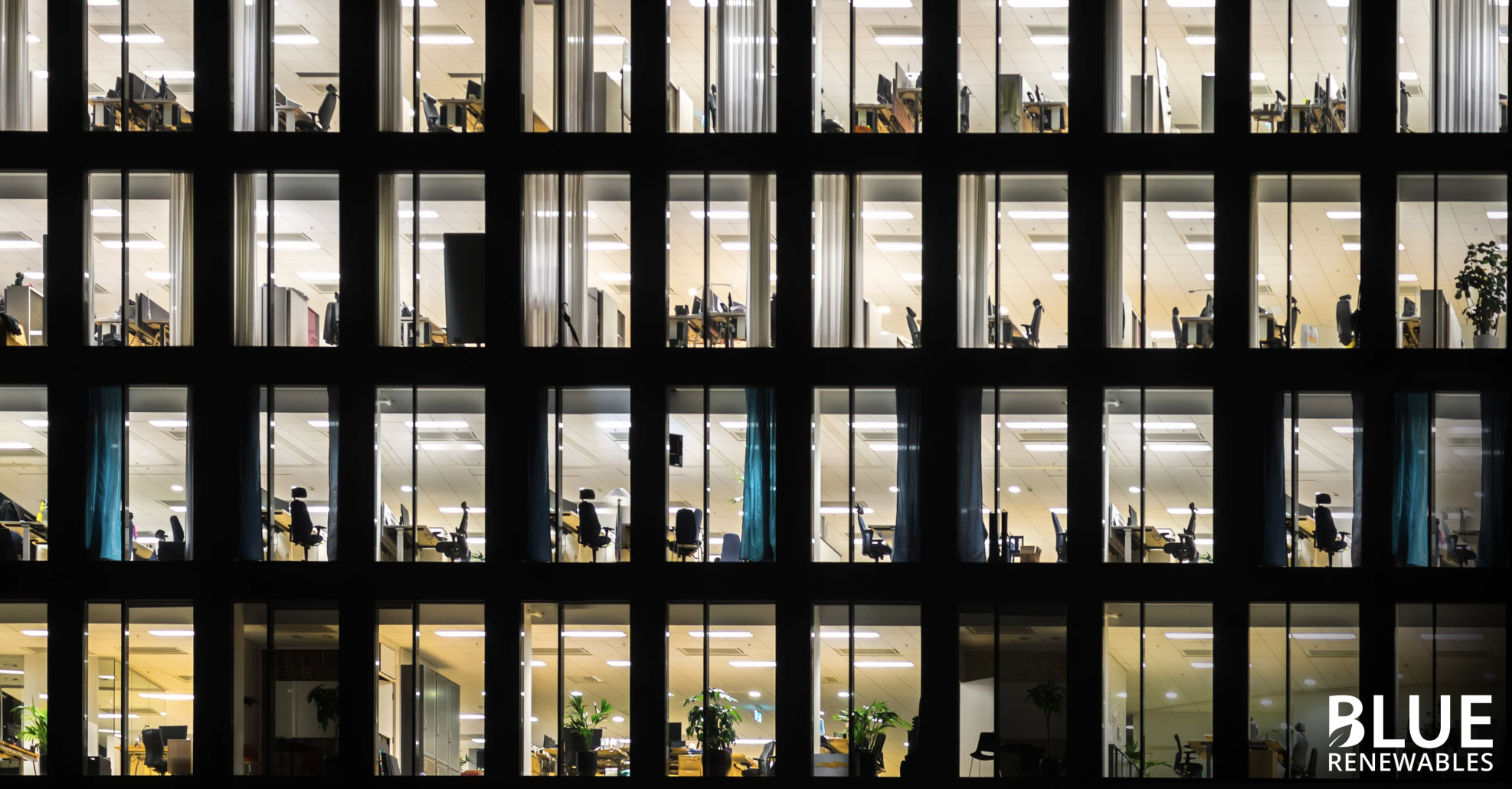
As the year draws to a close and daylight hours grow shorter, businesses across the UK face the familiar challenges of the winter season — longer nights, reduced visibility, and a natural dip in energy and focus.
But while the darker months can impact productivity and safety, one simple upgrade continues to deliver year-round benefits: high-quality LED lighting.
From warehouses and offices to production facilities and retail spaces, LED lighting helps businesses create brighter, safer, and more efficient workplaces — exactly what’s needed to keep teams productive and operations running smoothly through winter and beyond.
The Winter Lighting Challenge
In December and January, the UK can see as little as eight hours of daylight. For many businesses — particularly those with early starts, late finishes, or 24-hour operations — that means relying heavily on artificial lighting.
Older lighting systems, such as fluorescent tubes or halogen bulbs, not only consume more power but often provide inconsistent or harsh illumination, leading to eye strain, fatigue, and lower concentration among employees. Poor lighting can also create safety risks in industrial or warehouse environments, where visibility is crucial.
Upgrading to LED lighting solves these issues while delivering substantial energy savings.
1. Energy Efficiency and Cost Savings
LED lighting uses up to 80% less energy than traditional lighting technologies. This is particularly valuable during winter, when lighting demand and energy bills are at their peak.
For large commercial buildings or multi-site operations, this translates into thousands of pounds in annual savings — while also reducing carbon emissions and supporting ESG and Net Zero commitments.
Many businesses find that LED upgrades pay for themselves within just a few years, making them one of the most cost-effective sustainability investments available.
2. Better Light Quality, Better Performance
Modern LED systems produce consistent, high-quality light that closely mimics natural daylight.
This has measurable effects on workplace comfort and productivity:
Improved visibility reduces mistakes and accidents.
Brighter, balanced lighting supports alertness and concentration.
Reduced flicker and glare help lower eye strain and fatigue.
In office environments, better lighting can enhance wellbeing and morale. In industrial settings, it improves accuracy, quality control, and overall safety — essential factors during the busy end-of-year period.
3. Smarter Controls for Darker Days
LED technology works hand-in-hand with smart lighting controls and sensors, allowing businesses to automate lighting based on occupancy or daylight levels.
This ensures lights are only used when needed — optimising energy use and extending lamp life. For multi-site facilities or large warehouses, intelligent lighting systems can reduce waste significantly while maintaining ideal illumination for every shift.
4. Sustainability Through Every Season
An LED upgrade isn’t just a winter solution — it’s a year-round sustainability improvement.
By cutting energy use and maintenance requirements, LEDs help reduce operational emissions and support long-term ESG and Net Zero goals.
As businesses plan for 2026 and beyond, energy-efficient lighting upgrades remain a practical, scalable step toward a cleaner, smarter, and more cost-effective workplace.
Lighting the Way Forward
This winter, as daylight fades early and operations stay busy, efficient, well-designed lighting can make a measurable difference to your workplace performance.
At Blue Renewables, we help businesses across the UK design and install LED lighting and smart control systems that enhance energy efficiency, improve safety, and create brighter, more productive environments — season after season.
Get in touch today: info@bluerenewables.co.uk or call 01825 598450.