For many UK businesses, investing in renewable energy is only half the journey — the other half is proving its impact.
With increasing pressure from regulators, investors, and customers to demonstrate progress on sustainability and ESG goals, transparent reporting has become essential. But tracking renewable performance doesn’t have to be complex. The right metrics, dashboards, and reporting tools can simplify the process and turn your sustainability data into actionable insights.
Why Sustainability Reporting Matters
Sustainability reporting allows organisations to measure, manage, and communicate their environmental performance. It helps demonstrate accountability, attract responsible investors, and strengthen brand reputation.
For businesses adopting solar, battery storage, or energy efficiency projects, effective reporting answers critical questions such as:
How much energy are we generating and using?
How much carbon have we saved?
What’s our return on sustainability investment?
How are we performing against our Net Zero targets?
In short, sustainability reporting transforms renewable data into meaningful business value.
1. Start With the Right Metrics
The first step is identifying which metrics truly matter for your organisation. These vary by industry, but key renewable and energy performance indicators typically include:
Energy generation (kWh) from solar or other renewables
Energy consumption and grid dependency
Carbon emissions avoided (CO₂e)
Energy cost savings and ROI
Battery storage efficiency and utilisation
Percentage of renewable energy in total energy mix
Progress toward ESG or Net Zero targets
By defining clear, measurable KPIs, businesses can track progress over time and pinpoint areas for further improvement.
2. Use Dashboards to Turn Data Into Insight
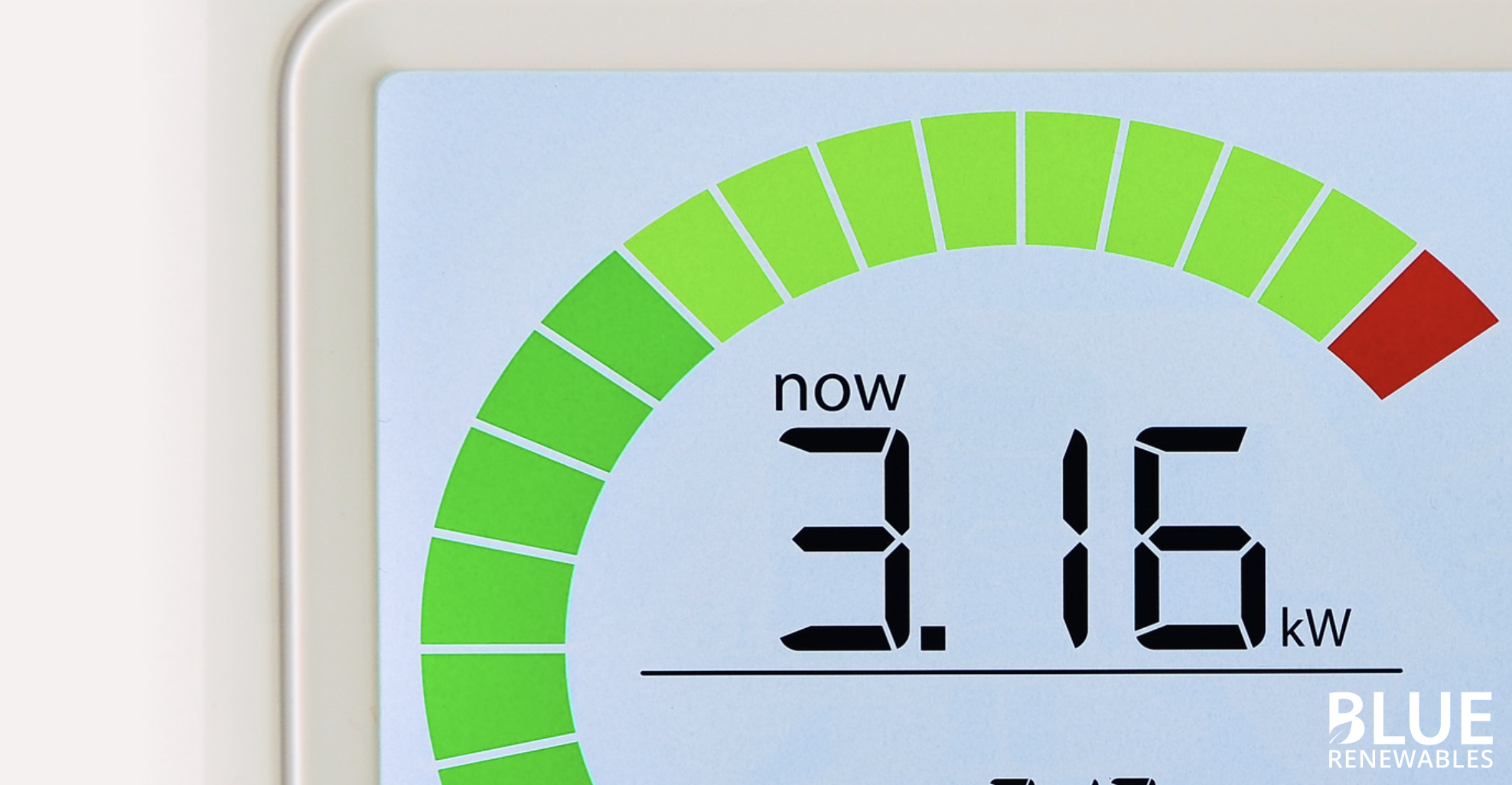
Modern energy dashboards make it easy to visualise sustainability performance in real time.
These systems integrate with renewable energy technologies such as solar PV, battery storage, and smart controls, pulling data directly from your equipment to display key metrics in one central view.
A well-designed dashboard should allow you to:
Monitor energy generation and usage patterns
Compare performance across multiple sites
Set alerts for inefficiencies or maintenance issues
Generate automatic reports for stakeholders or auditors
By replacing manual spreadsheets with automated tools, businesses can spend less time gathering data and more time making decisions that drive sustainability impact.
3. Leverage Renewable Energy Reporting Tools
Advancements in digital energy management software now make reporting faster, more accurate, and more transparent than ever.
Leading tools can automatically generate sustainability reports aligned with international frameworks such as:
GHG Protocol (Greenhouse Gas Accounting)
Science Based Targets initiative (SBTi)
Task Force on Climate-Related Financial Disclosures (TCFD)
Global Reporting Initiative (GRI)
For businesses required to disclose energy and carbon data under SECR (Streamlined Energy and Carbon Reporting) or ESOS, these tools ensure compliance while presenting data in a clear, professional format for investors and clients.
4. Connect Reporting to Business Strategy
Sustainability data isn’t just for compliance — it’s a strategic asset.
By linking renewable performance metrics to financial and operational outcomes, organisations can demonstrate the true business case for sustainability.
For example:
Energy savings directly improve profit margins.
Reduced carbon emissions enhance ESG scores and brand reputation.
Accurate data supports bids, tenders, and funding applications where sustainability credentials are key.
When sustainability reporting is integrated into decision-making, it shifts from being a box-ticking exercise to a driver of innovation and growth.
5. Partner With Experts Who Simplify the Process
Building an effective sustainability reporting system doesn’t have to be daunting.
At Blue Renewables, we help businesses implement renewable technologies alongside the data tools and dashboards needed to measure their success.
From solar PV and battery storage to smart energy monitoring and performance reporting, we design integrated solutions that help you:
Track your renewable impact in real time
Report confidently on energy and carbon performance
Meet compliance and ESG reporting requirements
Demonstrate tangible progress toward Net Zero
Turning Data Into Meaningful Change
Sustainability reporting isn’t just about numbers — it’s about clarity, credibility, and continuous improvement. By tracking your renewable energy performance through clear metrics and smart digital tools, your business can prove its impact, meet its ESG goals, and lead with transparency.
If you’re ready to make your sustainability reporting simple and effective, we can help you every step of the way.
Get in touch today: info@bluerenewables.co.uk or call 01825 598450.