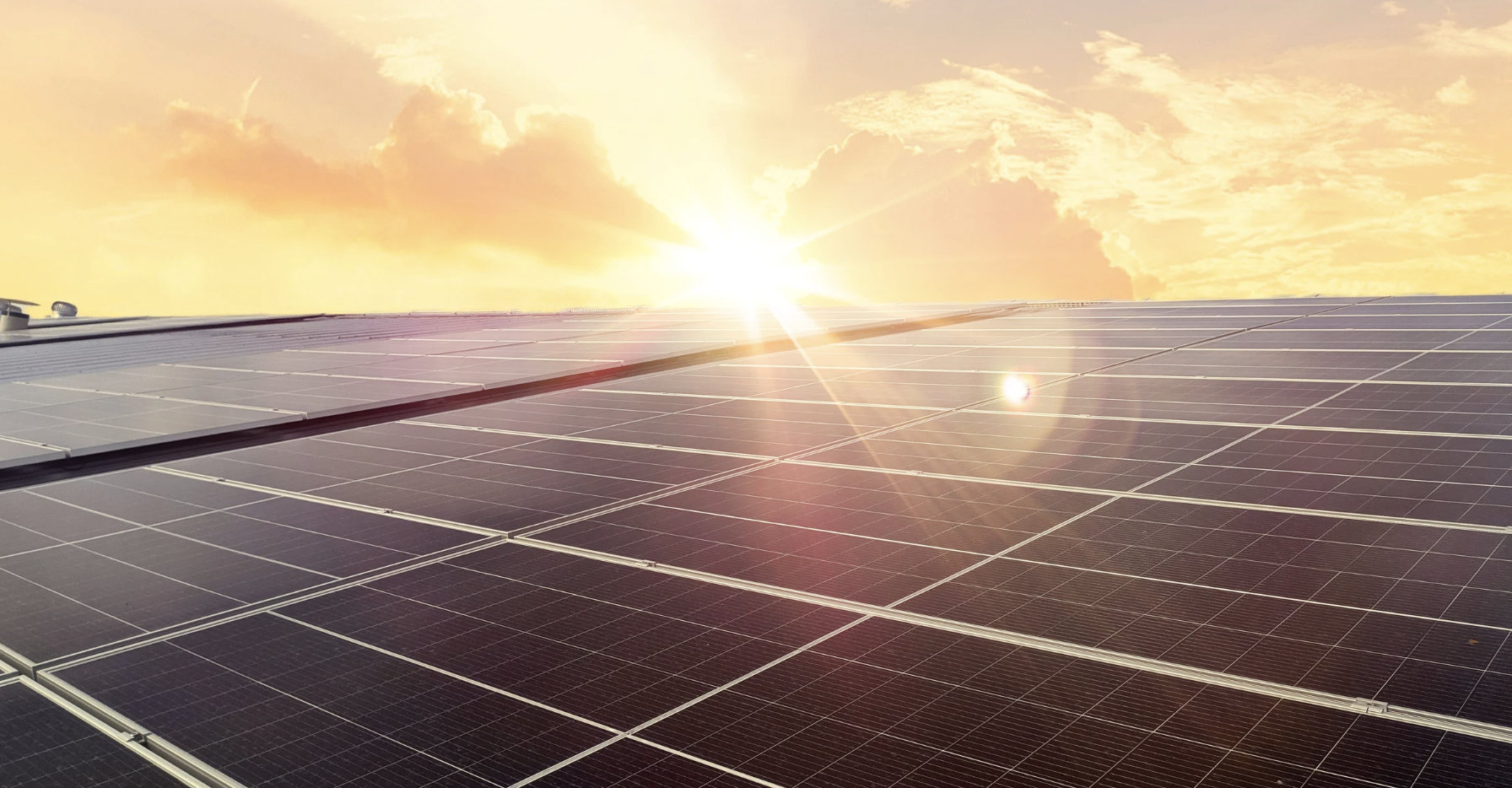
How to Prepare Your Solar System for Winter Efficiency
As the UK heads into winter, many businesses begin to focus on rising energy costs, increased grid demand, and the operational challenges that come with darker days. For organisations already benefiting from solar PV, winter is an ideal time to ensure systems continue delivering strong performance.
While solar systems are designed to operate year-round, colder months bring different conditions that can impact output, efficiency, and long-term reliability. With the right preparation, businesses can maximise generation, reduce unnecessary downtime, and protect their investment through the winter season.
At Blue Renewables, we support commercial clients across the UK with solar installation, monitoring, and maintenance. Here’s how to prepare your solar system for winter efficiency and ensure it continues to deliver reliable cost saving and sustainability benefits.
Why Winter Preparation Matters
Winter in the UK typically means:
Shorter daylight hours
More cloud cover
Increased rainfall, frost, and occasional snow
Higher electricity demand across commercial sites
Although solar panels still generate energy in winter, these factors can reduce overall output. Preparation ensures your system performs as efficiently as possible during low-light conditions and avoids preventable performance loss.
It also helps reduce the risk of faults, interruptions, and maintenance issues at a time when businesses often rely heavily on stable energy supply.
1. Schedule a System Inspection Before Peak Winter Conditions
A professional inspection is one of the most effective steps you can take before winter sets in.
A solar system check should include:
Testing inverter performance and output readings
Inspecting wiring, connectors, and isolators
Checking for loose fittings or damaged mounting hardware
Reviewing generation performance against expected levels
Identifying early signs of wear or component failure
Commercial solar PV systems operate continuously, and even small issues can lead to reduced efficiency over time. Winter is not the season to discover an avoidable fault.
A pre-winter inspection ensures your system remains reliable and safe throughout the colder months.
2. Clean Panels to Maximise Daylight Capture
Solar panels perform best when their surface is clear and unobstructed. In autumn and winter, panels can accumulate debris such as:
Leaves and moss
Bird droppings
Airborne dirt from roads or industrial sites
Water staining from heavy rainfall
This buildup reduces the amount of light reaching the photovoltaic cells, lowering output. Even in cloudy conditions, clean panels can make a measurable difference to performance.
For commercial sites, especially warehouses, factories, and agricultural buildings, seasonal cleaning is an important part of maintaining system efficiency.
3. Monitor Performance More Closely During Winter
Winter is when monitoring becomes particularly valuable. Because generation levels naturally fluctuate, businesses should track performance regularly to ensure output remains within expected ranges.
Effective monitoring allows you to:
Identify sudden drops in output
Spot inverter issues early
Detect shading problems caused by seasonal changes
Confirm the system is performing efficiently during low-light periods
Modern monitoring platforms provide real-time data, enabling businesses to respond quickly if performance falls unexpectedly.
If your system is not currently connected to a monitoring platform, winter is a good time to upgrade. Visibility and data are key to maximising cost saving.
4. Check for Seasonal Shading Changes
As the sun sits lower in the sky during winter, shading can become more significant. Nearby trees, buildings, or site structures may cast longer shadows across solar arrays than they do in summer.
Seasonal shading can reduce efficiency, especially if it affects multiple panels in a string.
To minimise impact:
Trim back trees or overhanging branches where possible
Assess whether site structures are blocking panels
Review panel placement if shading has increased over time
Even partial shading can reduce performance. Identifying these issues early helps maintain stronger winter generation.
5. Ensure Inverters Are Operating at Full Efficiency
Inverters play a critical role in converting DC power from solar panels into usable AC electricity. In winter, when generation is already lower, inverter performance becomes even more important.
Warning signs of inverter issues include:
Unexpected drops in output
Error codes or warning lights
Irregular performance patterns
Failure to export or distribute power correctly
A well-maintained inverter ensures the system continues operating efficiently and delivers reliable renewable energy throughout the season.
6. Review Battery Storage Settings (If Installed)
For businesses using battery storage, winter is an ideal time to review system settings and ensure energy is being stored and discharged efficiently.
Battery systems can help maximise solar benefits by:
Storing surplus generation during daylight hours
Providing power during peak tariff periods
Reducing reliance on grid electricity
Supporting business continuity during grid disruption
During winter, charging and discharge strategies may need to be adjusted based on shorter days and higher energy demand. Reviewing your battery settings ensures your system is optimised for cost saving and energy security.
7. Consider Maintenance Planning for Peak Energy Demand Periods
Winter often coincides with peak energy usage for many commercial operations. Heating, lighting, and extended operating hours increase consumption, and grid tariffs may rise accordingly.
Ensuring your solar system is running efficiently during this period can significantly reduce energy costs.
Planning ahead also helps avoid emergency call-outs or downtime during busy operational periods. Preventative maintenance is always more cost-effective than reactive repairs.
Winter Efficiency Means Year-Round Value
Solar PV systems are built for long-term performance, but seasonal preparation is essential for ensuring consistent results.
By inspecting, cleaning, monitoring, and optimising your system ahead of winter, your business can:
Maintain reliable renewable energy generation
Maximise cost saving potential
Improve system efficiency
Reduce the risk of faults or downtime
Support sustainability and ESG performance throughout the year
At Blue Renewables, we help commercial organisations keep their solar systems operating at their best in all seasons.
If you want to ensure your solar PV system is winter-ready, our team can provide inspections, maintenance, and performance optimisation tailored to your site.
Get in touch today: info@bluerenewables.co.uk or call 01825 598450.