Energy has always been central to business performance. Manufacturing lines, logistics networks, agricultural operations, commercial buildings and public infrastructure all depend on reliable and affordable power. Yet in recent years, organisations across the UK have increasingly felt the impact of global instability on energy markets — often through sudden rises in oil prices and wider energy costs.
Periods of geopolitical tension, disruption to international supply routes, and uncertainty in major oil-producing regions continue to influence global energy pricing. Even without direct disruption at home, events thousands of miles away can rapidly affect electricity, fuel, and operational costs for UK businesses.
The connection is simple: when global confidence in fossil fuel supply weakens, oil prices rise — and businesses ultimately absorb the cost.
Recent market movements have shown how quickly energy markets react to instability, with oil prices rising sharply when supply routes or production in key regions appear uncertain. Analysts consistently warn that disruption to major export corridors handling a significant share of global oil supply can drive sustained price increases and inflationary pressure worldwide.
For businesses reliant on grid electricity generated partly from fossil fuels, this volatility creates ongoing financial exposure.
The Fossil Fuel Dependency Challenge
For decades, global energy systems have relied heavily on oil and gas imports. While effective at scale, this model ties energy pricing directly to geopolitics, international trade routes, and production decisions made far beyond UK borders.
When tensions rise in energy-exporting regions, markets respond immediately. Oil price rises filter through supply chains, affecting transportation, manufacturing inputs, heating costs, and electricity generation.
Businesses may experience:
Rapid increases in operating costs
Unpredictable energy bills
Reduced budgeting certainty
Pressure on margins and investment planning
Energy therefore becomes not just a utility cost, but a strategic risk.
This growing exposure is prompting organisations to rethink how energy security is achieved.
Renewable Energy as a Route to Energy Stability and Security
Renewable energy fundamentally changes the relationship between businesses and energy supply.
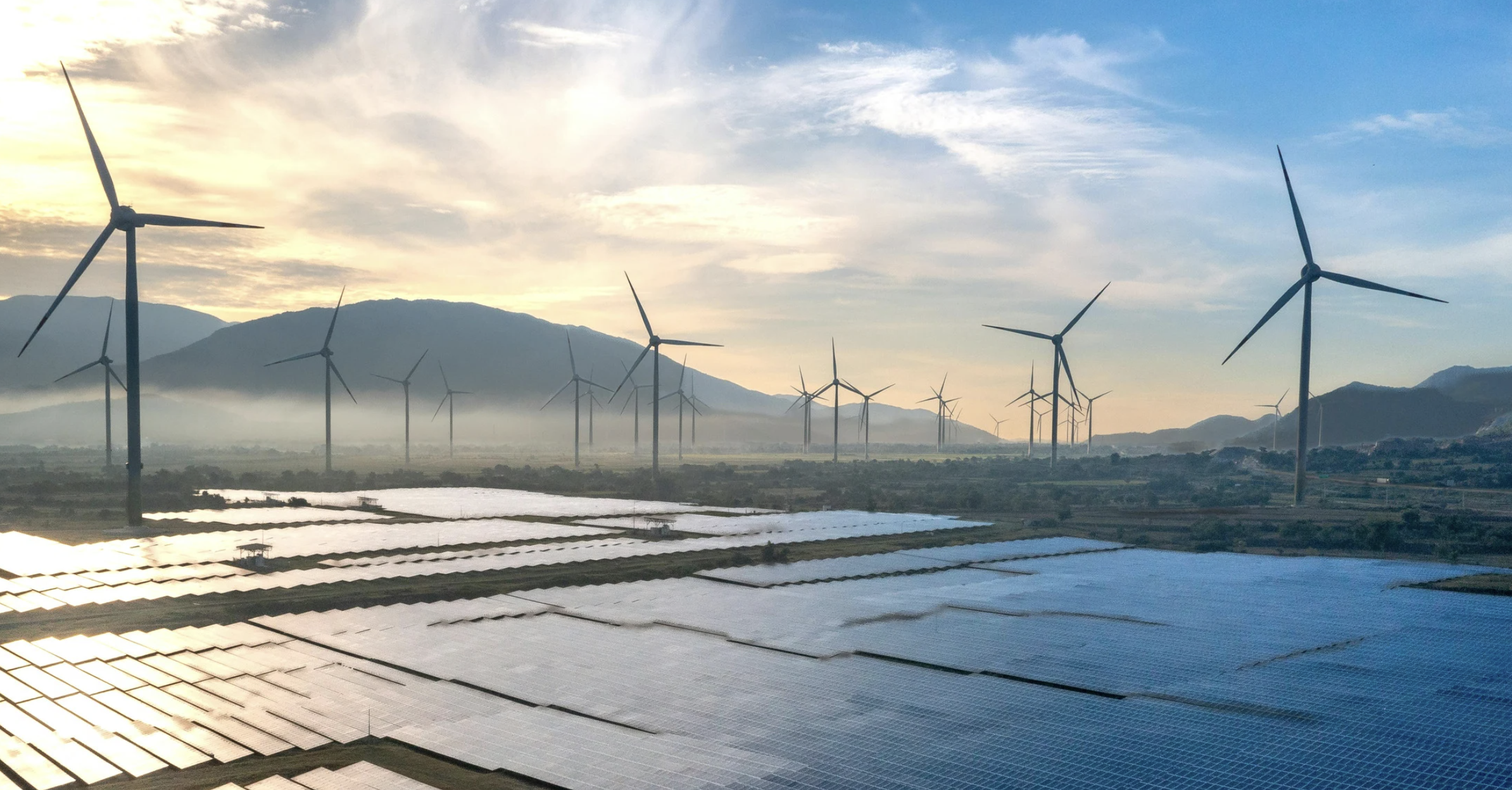
Technologies such as solar PV allow organisations to generate electricity on-site, reducing dependence on imported fossil fuels and global oil markets. Unlike conventional energy sources, renewable generation is not affected by oil price fluctuations, shipping disruptions, or geopolitical uncertainty.
Once installed, solar energy produces electricity at a stable and predictable cost for decades.
This shift moves businesses away from externally driven pricing toward internally controlled energy production — transforming energy from a volatile expense into a managed asset.
Protecting Against Oil and Gas Price Volatility
Oil price rises rarely remain confined to fuel markets alone. Higher crude prices typically influence electricity tariffs, logistics costs, and wider inflation across supply chains.
When businesses rely entirely on grid energy linked to fossil fuel generation, they remain exposed to these global pressures.
Renewable energy acts as a form of insulation against volatility.
By generating a portion of electricity independently, organisations can reduce exposure to market-driven price spikes. Over time, this delivers:
Greater cost certainty
Improved financial forecasting
Reduced operational risk
Long-term cost savings
In uncertain economic conditions, predictability becomes as valuable as price reduction itself.
Strengthening Operational Resilience
Energy security is also about reliability.
Global instability can contribute to supply constraints and increased grid strain, particularly during periods of high demand. For sectors such as manufacturing, logistics, cold storage, healthcare, and agriculture, uninterrupted power is essential.
Renewable systems paired with battery storage provide an additional layer of resilience.
Battery storage enables businesses to store self-generated energy and deploy it when required — during peak tariff periods, overnight operations, or temporary grid disruption. This capability allows organisations to maintain continuity even when external energy markets become unstable.
Rather than reacting to energy uncertainty, businesses gain control over when and how power is used.
Sustainability and Strategic Advantage
Energy security and sustainability are increasingly interconnected.
Reducing reliance on fossil fuels not only lowers exposure to geopolitical risk but also supports ESG commitments and Net Zero targets. Organisations generating renewable electricity can demonstrate measurable carbon reduction while strengthening long-term operational stability.
Research continues to show that geopolitical risks can disrupt global energy trade flows and increase reliance on domestic or renewable energy sources as countries and businesses seek greater energy sovereignty.
In this context, renewable energy becomes both an environmental and commercial decision.
A Shift From Procurement to Control
Historically, businesses focused on securing the most competitive energy tariff. Today, forward-thinking organisations are adopting a broader strategy — treating energy as infrastructure rather than a variable expense.
Solar PV, battery storage, and smart energy management systems allow businesses to actively manage generation, consumption, and storage.
This integrated approach delivers flexibility and independence from external shocks linked to fossil fuel markets and global geopolitics.
Energy security is no longer achieved solely through contracts — it is achieved through ownership and control.
Future-Proofing in a Volatile Energy Landscape
Global energy markets are likely to remain sensitive to geopolitical developments, particularly in regions that play a critical role in oil production and transportation. As long as economies depend heavily on fossil fuels, oil price volatility will remain a recurring challenge.
Businesses investing in renewable energy are taking proactive steps to reduce this exposure.
Renewables provide:
Reduced reliance on imported fossil fuels
Protection from oil price rises
Greater operational resilience
Long-term cost stability
Stronger sustainability and ESG performance
In an increasingly unpredictable world, energy independence is becoming a competitive advantage.
Building Energy Security with Blue Renewables
At Blue Renewables, we help organisations across the UK strengthen energy security through tailored renewable energy solutions, including solar PV, battery storage, and intelligent energy management systems.
By enabling businesses to generate and control their own power, we help reduce exposure to global energy volatility while delivering measurable cost savings and sustainability benefits.
As global conditions continue to evolve, energy security is no longer optional — it is essential.
Speak to our team about securing your organisation’s energy future; get in touch today at info@bluerenewables.co.uk or call 01825 598450.